
A beautiful, healthy smile is often the first thing people notice when you walk into a room. It radiates confidence, warmth, and vitality. However, optimal oral hygiene is far more than a cosmetic asset. The condition of your teeth and gums serves as a critical window into your overall physical health. Medical research consistently shows that poor oral health is linked to a variety of systemic conditions, including cardiovascular disease, diabetes, and respiratory infections.
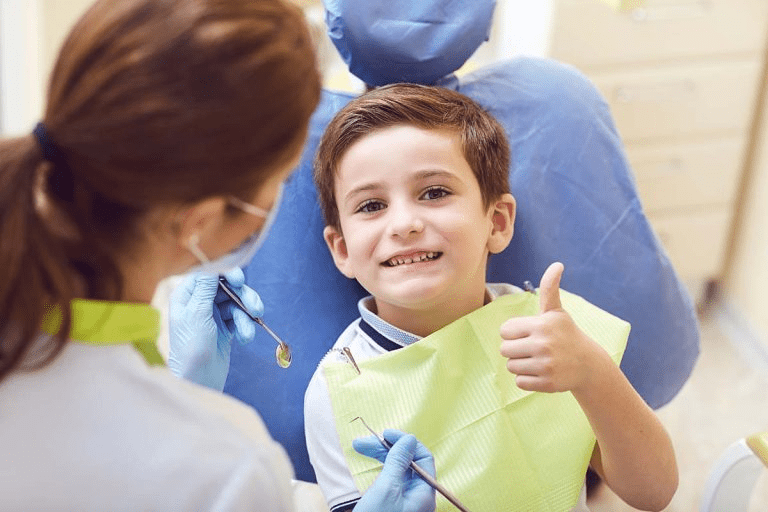
Despite its vital importance, oral hygiene is frequently misunderstood. Many individuals believe that as long as they brush their teeth occasionally and do not feel any immediate pain, their mouth is perfectly healthy. In reality, effective oral hygiene requires an understanding of basic biological mechanics and a commitment to preventive care. This article provides straightforward, practical suggestions to help you fully understand and optimize your daily dental care routine.
1. Perfecting the Mechanics of Brushing
Brushing your teeth is the foundation of oral hygiene, but it is not just about the frequency; it is about the technique. Rushing through the process or scrubbing too aggressively can actually cause permanent damage to your smile.
The Right Tools and Angle
Always select a toothbrush with soft bristles. Medium and hard bristles are far too abrasive; over time, they can wear down your protective tooth enamel and cause your gums to recede, exposing the sensitive roots of your teeth. Replace your toothbrush or electric toothbrush head every three to four months, or sooner if the bristles begin to fray.
When you brush, position the bristles at a 45-degree angle toward your gum line. Instead of sawing back and forth in harsh horizontal strokes, move the brush gently in small, circular motions. Ensure you spend at least two full minutes brushing, allocating equal time to the outer surfaces, inner surfaces, and flat chewing areas of your teeth.
Do Not Forget the Tongue
Your teeth make up only a small percentage of the surfaces inside your mouth. Your tongue acts like a plush carpet, trapping millions of microscopic bacteria, food particles, and dead cells. Failing to clean your tongue is the number one cause of chronic bad breath (halitosis). At the end of your brushing routine, use your toothbrush bristles or a specialized tongue scraper to gently clean your tongue from back to front.
2. The Non-Negotiable Necessity of Flossing
If you only brush and never floss, you are leaving nearly 40 percent of your tooth surfaces completely untouched. The tight spaces between your teeth are the ultimate hiding places for dental plaque—a sticky, bacteria-laden film that feeds on sugar and produces destructive acids.
Proper Flossing Technique
To floss effectively, break off a piece of dental floss roughly 18 inches long. Wrap the ends around your middle fingers, leaving a few inches of taut floss in between. Gently guide the floss between your teeth using a sawing motion; never snap the floss down aggressively onto your delicate gums.
Once the floss reaches the gum line, curve it into a “C” shape around the side of the tooth. Slide it gently up and down against the tooth surface, making sure to go slightly beneath the gum line where plaque loves to accumulate. Unroll a fresh section of clean floss as you move from one tooth to the next to avoid relocating bacteria around your mouth. If traditional string floss feels too difficult to manipulate, dental floss picks or an interdental water flosser can serve as excellent alternatives.
3. Optimizing Nutrition for Dental Longevity
Your dietary choices play a massive role in either protecting or destroying your tooth enamel. Every time you consume food or drinks containing sugar, the bacteria in your mouth feast on those sugars and release acidic by-products that attack your enamel for up to twenty minutes.
Restructuring Your Eating Habits
To protect your smile, minimize your consumption of sugary sodas, energy drinks, candies, and sticky dried fruits that cling to the crevices of your molars. If you do indulge in a sweet treat, try to consume it alongside a main meal rather than snacking on it continuously throughout the day. Eating stimulates saliva production, which acts as your mouth’s natural defense mechanism by neutralizing acids and washing away loose food particles.
Incorporate foods that actively support oral health into your diet. Calcium-rich options like cheese, yogurt, and leafy greens help reinforce your bone and enamel strength. Crunchy, fibrous vegetables like celery and raw carrots act like natural toothbrushes, scraping away surface plaque and stimulating blood flow in your gums as you chew.
4. Embracing Preventive Professional Dentistry
Many people only schedule a visit to the dentist when they are experiencing an unbearable toothache. This reactive approach to healthcare is costly and often results in the need for invasive procedures like root canals or tooth extractions.
The Power of the Six-Month Checkup
Dental plaque that is not removed by daily brushing and flossing eventually hardens into a mineralized substance known as tartar or calculus. Tartar cannot be removed by a standard toothbrush; it requires specialized ultrasonic scaling tools operated by a professional dental hygienist.
By visiting your dentist every six months for a routine cleaning and examination, you catch potential issues before they escalate. Early-stage cavities can often be reversed or easily repaired with a small filling, and early gum disease (gingivitis) can be completely cured before it develops into permanent periodontal bone loss.
Conclusion
Understanding oral hygiene does not require medical school expertise; it simply requires consistency, attention to detail, and a basic respect for the biological environment inside your mouth. By mastering gentle brushing techniques, committing to daily flossing, eating a diet that supports your enamel, and prioritizing professional preventive cleanings, you take total ownership of your oral health.
Your smile is an investment that pays dividends for the rest of your life. By implementing these straightforward suggestions into your daily morning and evening routines, you protect yourself from preventable pain and expensive treatments, ensuring that your smile remains bright, healthy, and functional for decades to come.